Preparing Land for a Home Build in Northeast Florida: A Step-by-Step Guide
Building a home on raw land is exciting, but the site work done before the foundation goes in determines how smoothly the rest of the project runs. Northeast Florida lots present their own challenges, including flat terrain, sandy and sometimes wet soils, and drainage that depends on the surrounding landscape. Here's a practical sequence many owners and builders follow.
Step 1: Survey and Plan
Before any equipment arrives, get a boundary survey and confirm the building envelope, setbacks, and utility routes. Mark where the house, driveway, septic system or sewer connection, and drainage features will go. A clear plan lets your contractor clear only what's necessary and avoid damaging areas you want to keep.
Step 2: Clear Trees and Brush
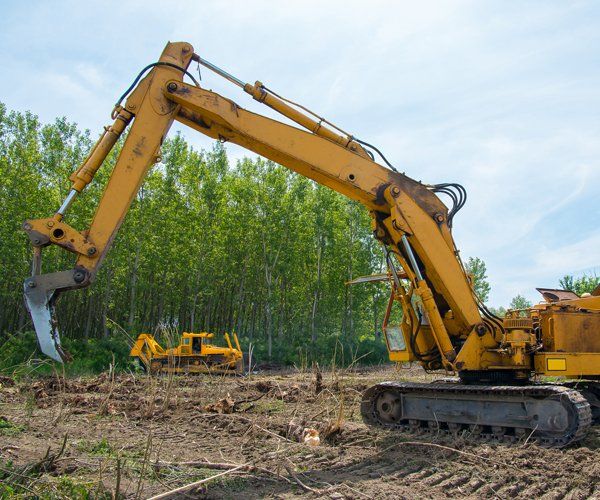
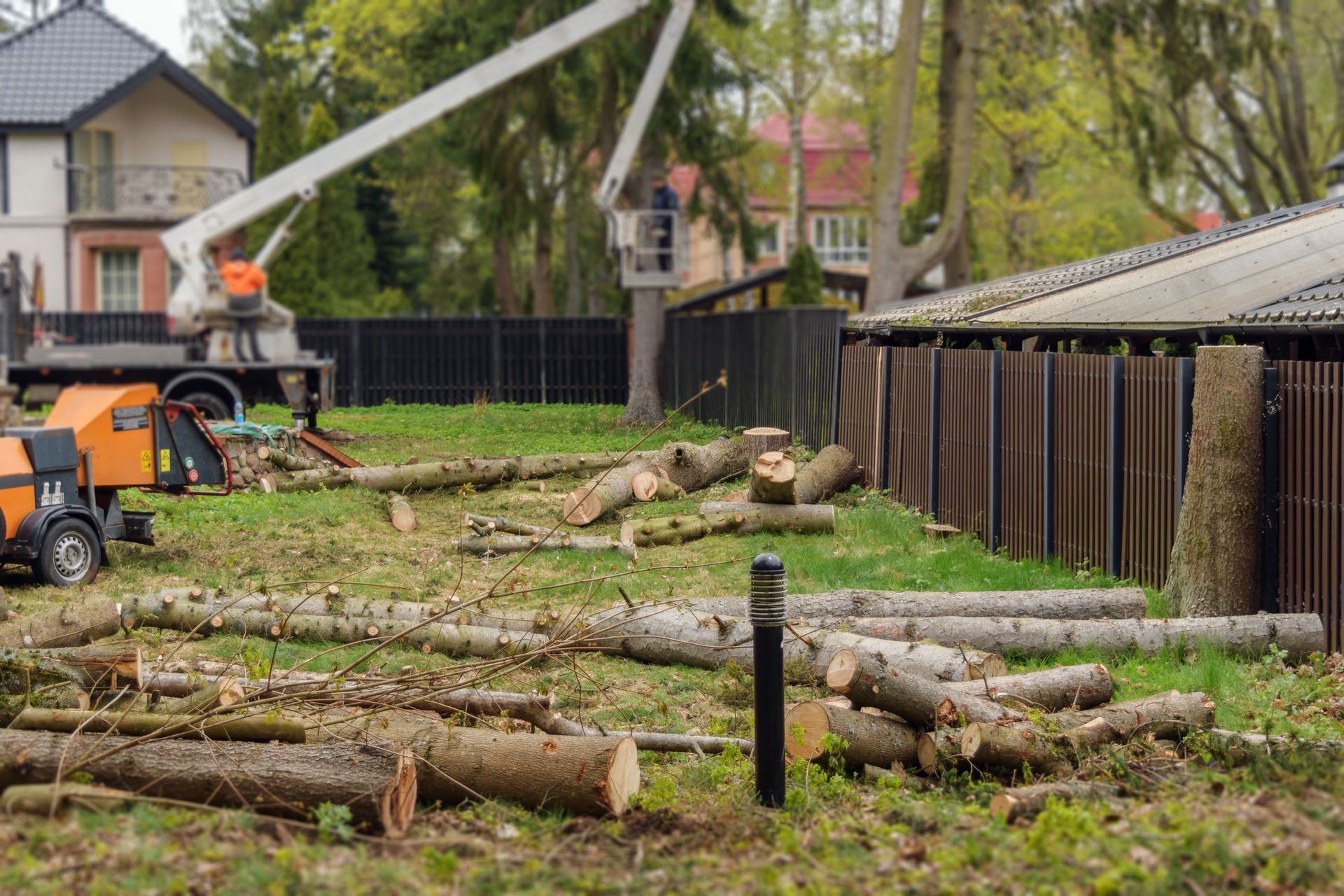
Remove trees and brush from the building area, driveway path, and any zones that will be graded. Preserving desirable trees is worth considering, since mature trees add value and shade, but their root zones must be protected during construction. Decide early whether debris will be mulched on site, hauled away, or reused on the property.
Step 3: Grub Stumps and Roots
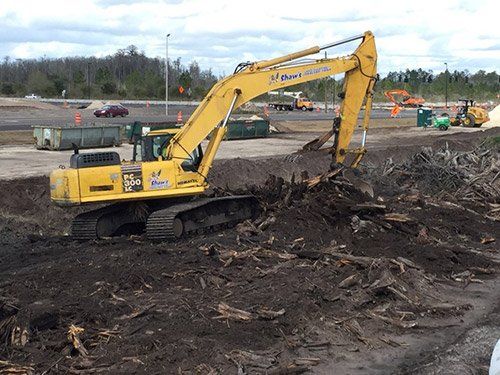
Grubbing removes stumps and root mats that would otherwise settle and cause problems under foundations or fill. Organic material left in the soil breaks down over time and can create voids. Make sure stumps and roots are removed from any area that will support a structure or fill.
Step 4: Grade for Drainage
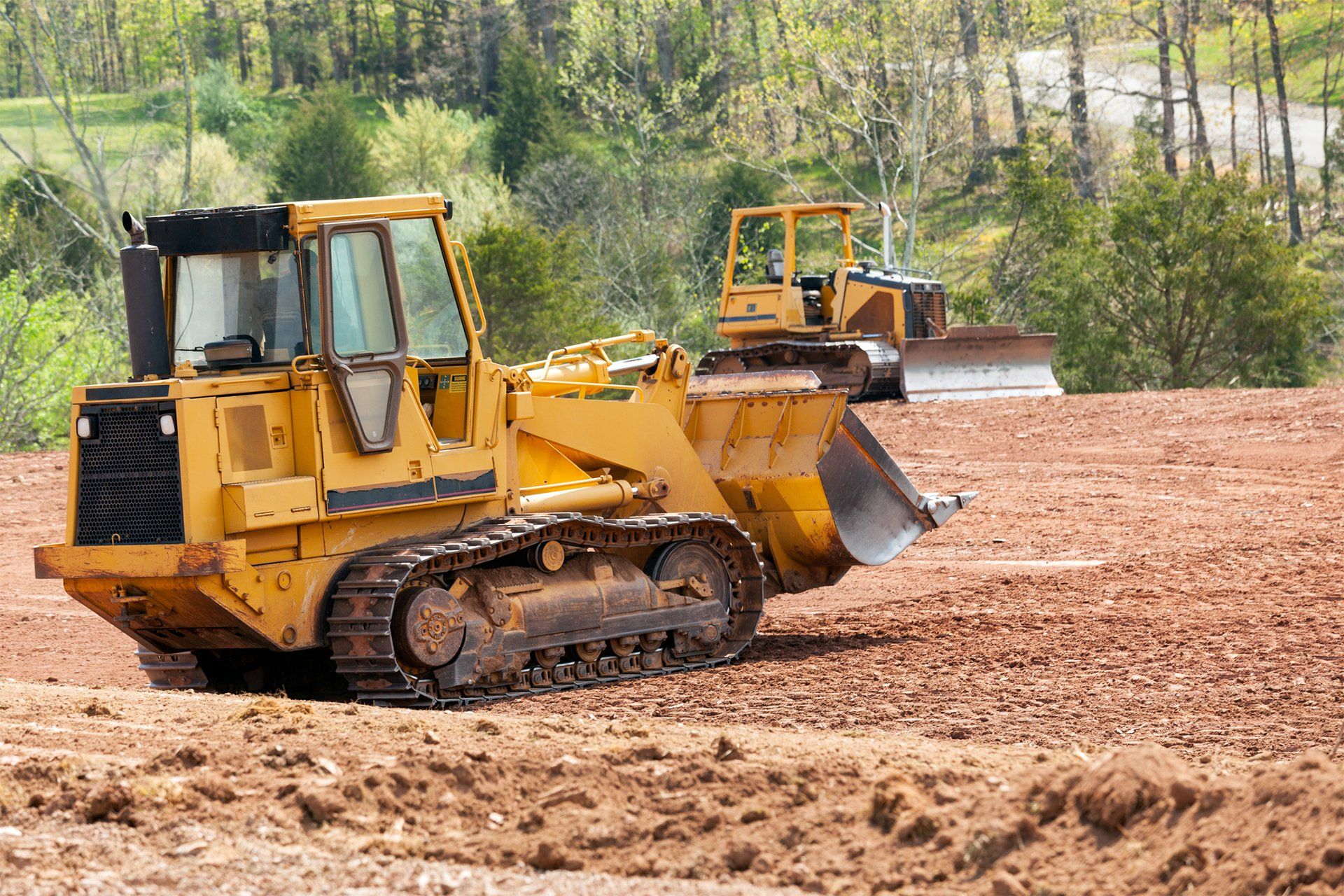
Grading shapes the land so water flows away from the house rather than pooling against it. On the flat lots common in Jacksonville and St. Johns County, even small elevation changes matter. Plan the finished grade with your builder, and identify where water will go, whether that's a swale, a retention area, or a connection to existing drainage.
Step 5: Control Erosion and Sediment
Once soil is exposed, rain can wash sediment onto neighboring properties or into waterways. Install silt fencing, stabilize disturbed areas quickly, and limit how long bare soil stays open. These measures protect your site and help you meet local stormwater requirements.
Step 6: Final Site Prep
With clearing, grubbing, and grading complete, the lot is ready for final preparation. This often includes compacting building pads and driveway areas, bringing in fill if needed, and confirming the finished grade matches the plan before construction begins. Re-check the site after heavy rain to see how water actually moves across the lot.
Why Northeast Florida Sites Need Careful Planning
Florida's soils, high groundwater, and frequent heavy rain make drainage one of the most important parts of site prep. A lot that looks dry in a dry spell can hold water after a storm. If your property needs a drainage plan, pond work, or a better outlet for runoff, our drainage and pond services and site prep team can plan it alongside the clearing work.
Ready to Start Your Project?
Whether you're building a home, expanding a farm, or preparing a commercial lot, the right site prep sets the foundation for everything that follows. Shaw's Land Clearing serves Jacksonville, St. Augustine, and St. Johns County. Call (904) 387-1804 or visit our site to request an estimate.
Frequently Asked Questions
How long does land preparation take before building starts?
It depends on lot size, tree density, weather, and whether drainage or fill work is needed. Many projects need several weeks of site work, so coordinate timing with your builder.
Should I clear the whole lot or just the building area?
Most owners clear only the building site, driveway, and necessary work zones, keeping other wooded areas for privacy and natural drainage. Your plan and local rules should guide the decision.
What's the difference between clearing and grubbing?
Clearing removes trees, brush, and surface vegetation. Grubbing goes further, removing stumps and roots that would otherwise affect the soil under a structure.
How long does a permit take?
Yes. A survey prevents clearing outside your boundaries and identifies setbacks, easements, and wetlands that affect where you can work.