Do You Need a Permit to Clear Land in Florida?
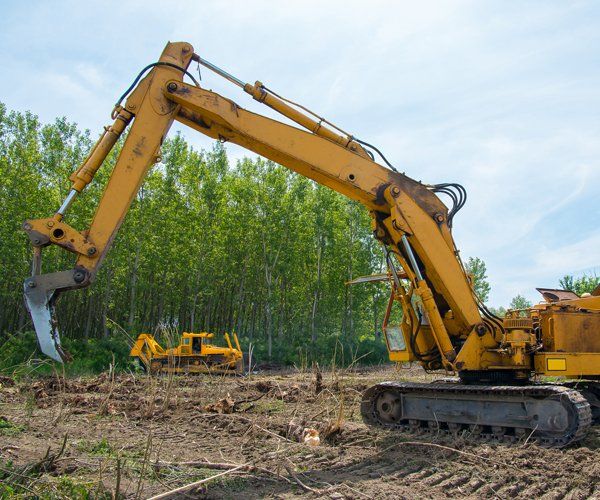
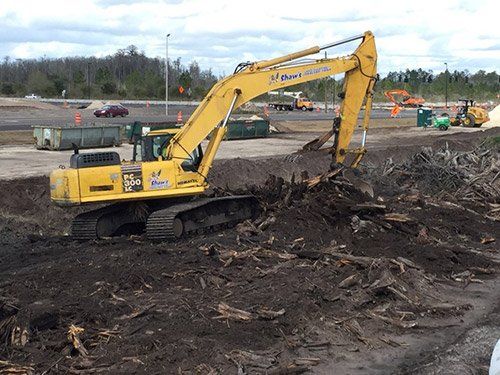
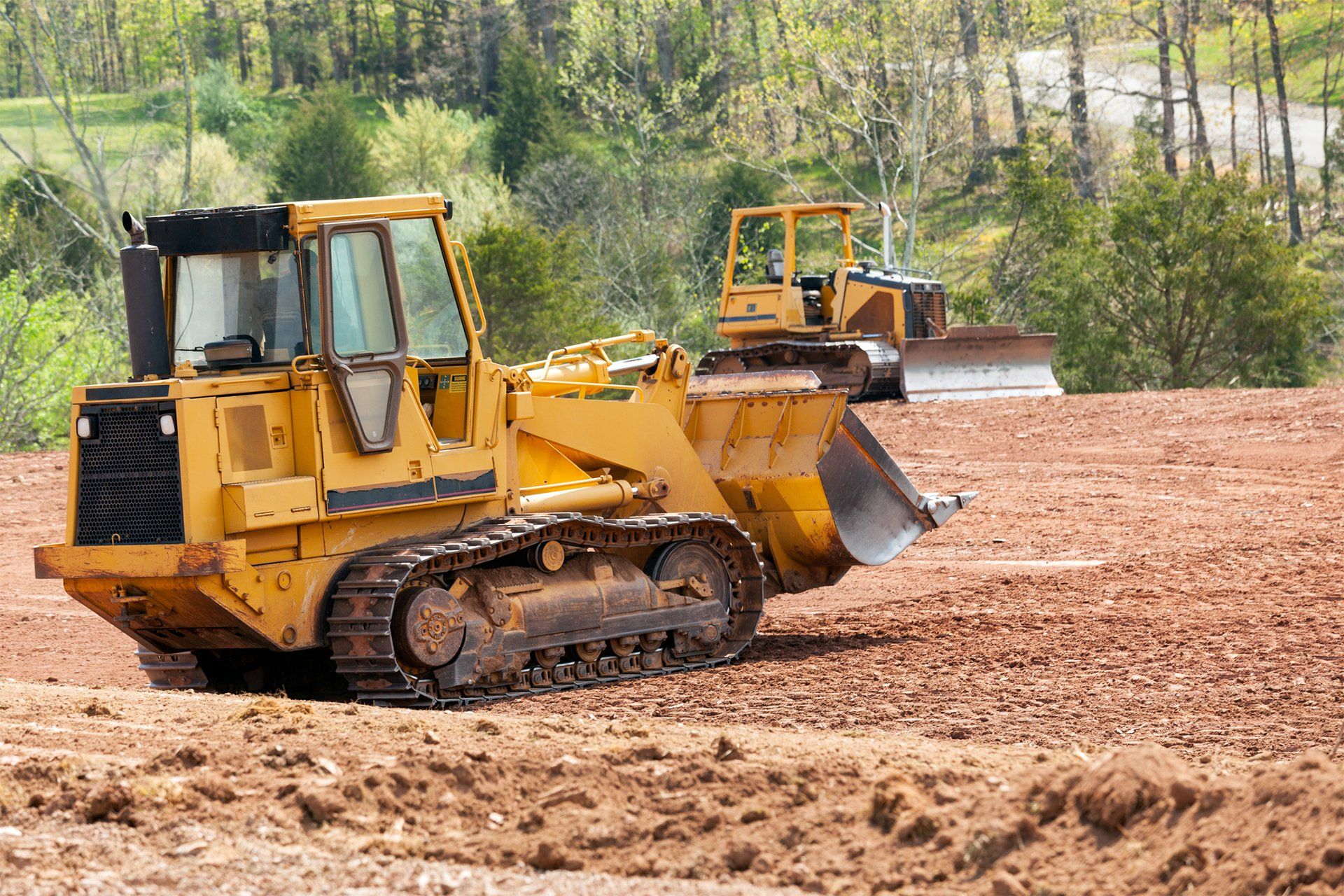
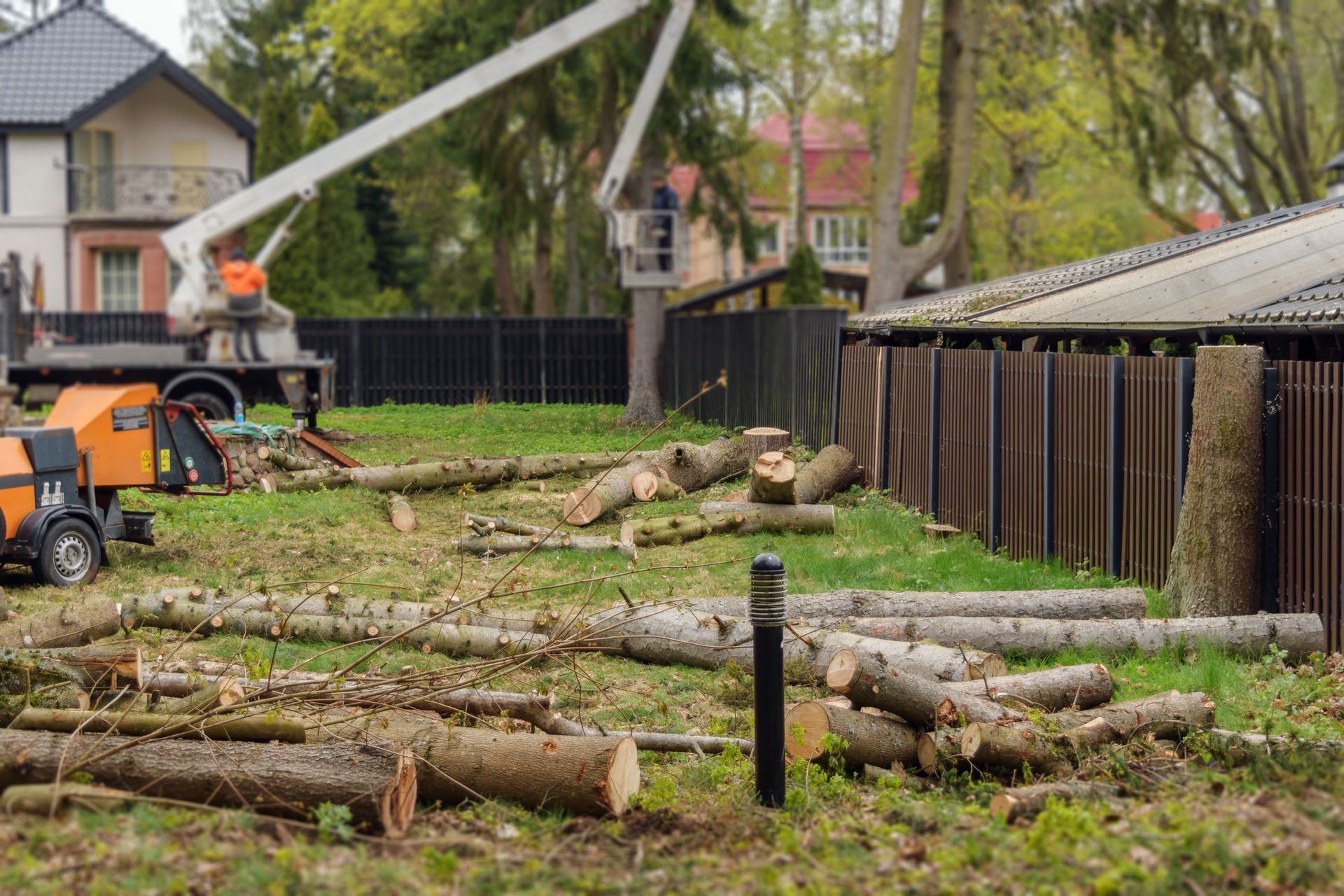
Clearing land can seem simple: you own the property, so you can take out the trees. In practice, local and state rules may apply, and clearing without the right approvals can lead to stop-work orders, fines, or required replanting. Here's what property owners in Northeast Florida should know before the first tree comes down.
Why Land Clearing May Require Approval
Vegetation plays a role in drainage, erosion control, and wildlife habitat. Because of this, local governments and state agencies may regulate how and where clearing happens, especially on larger parcels, near water, or in areas with protected species. Rules vary by location, so the safest approach is to check before you start.
Common Rules to Check
- Protected and heritage trees. Many local governments regulate removal of certain species or trees above a set size.
- Wetlands and buffers. Clearing near wetlands, creeks, or ponds may require additional review and setbacks.
- Stormwater and erosion control. Disturbed soil can wash sediment into nearby waterways, so projects may need erosion controls.
- Burning restrictions. Burning brush or debris typically requires authorization, and conditions can change with the weather. Check with the Florida Forest Service before lighting any fire.
- Development requirements. If clearing is part of a home or commercial build, site plan and zoning review may apply.
Who to Contact in Northeast Florida
Start with the government that has jurisdiction over your property. Inside City of Jacksonville limits, the city's planning and permitting offices are the place to ask. In unincorporated St. Johns County, the county handles local permitting, while properties within the City of St. Augustine should be checked with city offices. For wetlands and surface water, the St. Johns River Water Management District is the key agency. Local permitting offices can confirm which rules apply to your specific parcel.
Costly Mistakes to Avoid
- Clearing before confirming zoning or protected-tree status.
- Assuming a neighbor's approval or permit covers your lot.
- Clearing up to a wetland line or property boundary without a survey.
- Letting sediment wash off the site after heavy rain.
- Burning debris without checking current restrictions.
How a Professional Contractor Helps
An experienced land clearing company should ask about your plans before work begins, flag when a permit may be needed, and plan the job around erosion and drainage. Ask any contractor you're considering how they handle permits and what they need from you, such as a survey or site plan. Clear communication up front protects your property and your timeline. For a site-specific review, call (904) 387-1804 or visit our contact page.
Frequently Asked Questions
Do I need a permit to clear my own land in Florida?
Not always. It depends on your location, the size of the project, and what's being removed. Contact your city or county permitting office and, if wetlands or water are nearby, the St. Johns River Water Management District before starting.
What happens if I clear land without a permit?
Consequences can include stop-work orders, fines, and required restoration or replanting. Penalties vary by jurisdiction.
Can I burn cleared brush instead of hauling it away?
Outdoor burning usually requires authorization and must follow current weather and air quality conditions. Check with the Florida Forest Service before burning.
How long does a permit take?
Timelines vary by agency and project complexity. Asking early helps you plan your schedule.